In August, nineteen homes in Stourbridge were destroyed by wildfire in a single afternoon, with eighteen more damaged, on the hottest day of the year. It happened forty minutes from our patch, to ordinary streets, in a part of the world that does not expect wildfires.
Nobody plans for that day. Which is exactly why the insurance conversation matters, and why it matters more in October than it did in July. The summers are getting longer and more extreme, the winters still bring the storms, the leaks and the frozen pipes they always did, and between the two sits your rental property, insured on a policy you may not have read since the day you bought it.
The mistake that catches good landlords
Here is the one that costs the most, and it is more common than anyone admits. A property gets let on standard home insurance. Perhaps it was your own home once. Perhaps the policy simply renewed each year and nobody thought to change it. Everything is fine, until the day of the claim, when the insurer asks who lives at the property, and the answer is a tenant.
A standard home policy is priced and written for an owner living in their own home. Let the property without telling your insurer and you risk the policy not paying out at all, at precisely the moment you need it most. After a serious fire or flood, that is not an inconvenience. That can be the whole asset.
The questions worth asking this month
We are not insurance advisers, and this is not advice on any policy or product. It is a list of questions worth putting to your insurer or broker before winter arrives, because the answers decide what happens on the worst day:
• Does my policy know this property is let, and is it proper landlord cover rather than home insurance? • What does it cover if the property is empty between tenancies, and for how long? • If the property became uninhabitable, would the lost rent be covered while it is repaired? • Am I covered for my liability as a landlord if a tenant or visitor is injured? • Is the rebuild value up to date? Building costs have risen sharply, and a property insured at an old figure may be quietly underinsured.
Ten minutes with your broker answers all of them. The premium was never the expensive part.
Protecting the rent as well as the property
A point worth keeping clearly separate: buildings and landlord insurance protect the property. They do not protect the rent if a tenant stops paying. That is a different risk with a different answer. Under the new legislation, the mandatory serious rent arrears ground requires a tenant to owe at least three months’ rent before notice can be served, followed by four weeks’ notice and, if they remain, court proceedings. That can leave a landlord without rent for months. Our Platinum service includes rent and legal protection insurance, so if the rent stops, the payments continue and we handle the claim. Two kinds of protection, two different jobs. A well-protected landlord has thought about both.
The bigger question underneath
Insurance is one strand of a bigger truth about letting property in 2026: the job is now mostly about managing risk. Your policy is a conversation for you and your broker, and it is worth having this month.
But the rest of the list, the rules, the deadlines, the certificates, the inspections, the rent process, is the part we can carry. Every one of those is fine until the day it is not, and every one of them lands on someone's desk. The question we ask every landlord is simple: how much of that do you want to carry alone?
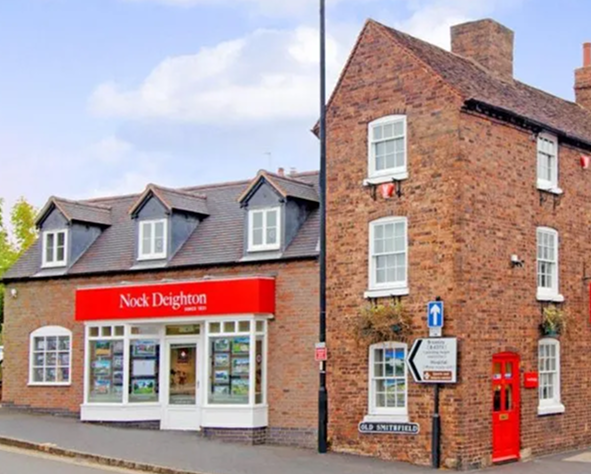
Check your policy this month. And for everything else on the list, talk to your local Nock Deighton lettings team. Tell us how involved you want to be, and we will tell you plainly which service fits.







 Payment